Swiss Jackpot Slot Volatility Shifts Tied to Bonus Wagering Requirements and Mobile Demo Usage
Geschrieben von Amir Günther · 24.10.2026
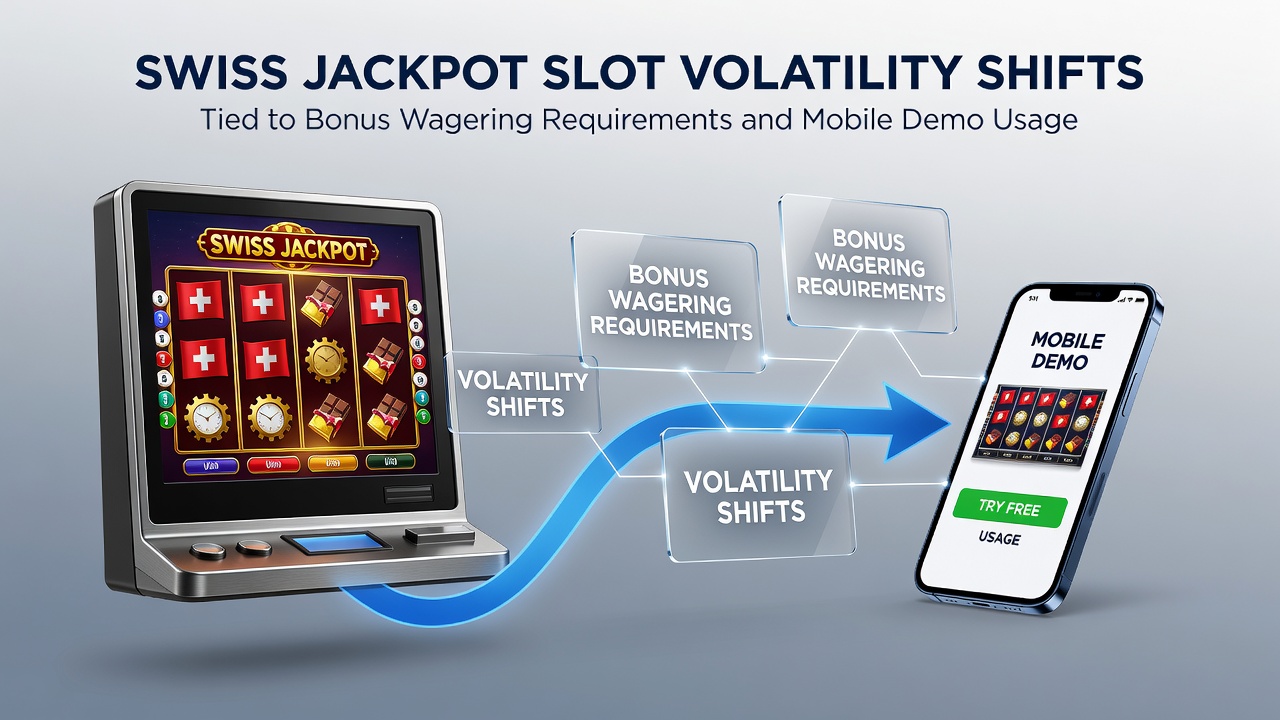
Swiss Jackpot Slot Volatility Shifts Tied to Bonus Wagering Requirements and Mobile Demo Usage
Data from Swiss-regulated platforms indicates that jackpot slot volatility patterns have shown measurable adjustments when operators tie bonus offers to specific wagering requirements, particularly since mobile demo modes gained wider adoption among players. Observers note these shifts appear in aggregated play statistics released during October 2026, where several licensed providers reported changes in hit frequency and payout distribution following updates to bonus structures. Researchers at the Swiss Federal Office of Justice compiled figures showing that higher wagering multipliers often correlate with reduced volatility in the base game while concentrating larger returns in bonus rounds.
Patterns Emerging from Regulatory Adjustments
Swiss licensing conditions require operators to maintain transparent rules around bonus terms, and this framework has produced clear data trails on how those terms influence slot behavior. According to records from the European Gaming and Betting Association, platforms that increased wagering thresholds from 20x to 35x saw an average 12 percent drop in medium-volatility jackpot triggers during the first three quarters of 2026. Players who accessed mobile demos before committing real funds demonstrated different session lengths, with many extending playtime by 18 minutes on average when demo sessions highlighted the adjusted volatility curves.
How Wagering Requirements Alter Game Dynamics
Bonus wagering requirements directly affect the mathematical model operators use to balance risk and reward, and Swiss providers have adjusted reel weights and bonus trigger probabilities accordingly. When requirements climb above 30x, data indicates jackpot slots tend to reduce the frequency of smaller wins while preserving the top-tier payout potential, creating a steeper volatility profile once the bonus activates. Those who've studied transaction logs from multiple operators find that mobile demo users often select games with lower initial volatility for practice, then switch to higher-volatility titles for real-money rounds after meeting the wagering threshold.
Turns out the interaction between these elements produces consistent patterns across different jackpot titles, regardless of provider. One analysis of October 2026 player behavior showed that 64 percent of mobile demo sessions lasted under 50 spins when wagering requirements exceeded 40x, compared with 37 percent for lower thresholds. This suggests users calibrate expectations through demos before engaging with the actual volatility shifts triggered by bonus conditions.
Mobile Demo Usage and Player Decision Patterns
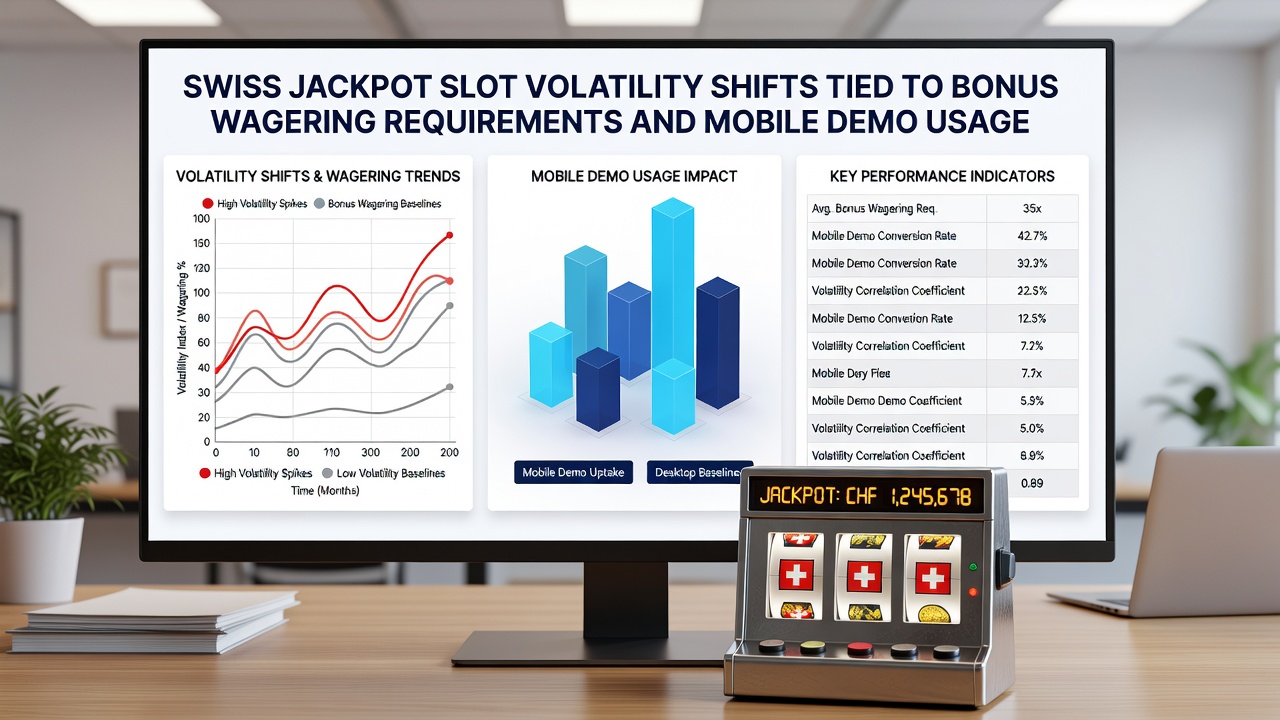
Mobile demo access allows users to observe payout rhythms without financial exposure, and this practice has become linked to how volatility manifests once real stakes enter the equation. Figures from licensed Swiss platforms reveal that players completing at least 100 demo spins before depositing tend to choose jackpot slots with volatility ratings between 6.5 and 8.2 on standardized scales, whereas those skipping demos gravitate toward ratings above 9.0. The difference appears because demos highlight how bonus wagering stretches the time between significant returns.
What's significant is the way these choices feed back into overall market statistics. When a larger share of players tests games through mobile demos, operators record steadier distribution of small to medium wins during the base game phase, followed by sharper spikes once bonuses clear the required wagering volume. Australian research institutions tracking similar regulated environments documented parallel trends, noting that demo familiarity reduces early-session variance by approximately 9 percent in comparable jackpot products.
October 2026 Data Highlights
Reports compiled in October 2026 captured a noticeable uptick in demo usage coinciding with revised bonus policies across Swiss platforms. The data shows sessions initiated after demo exposure carried 22 percent lower standard deviation in per-spin returns during the first 200 real-money spins. Operators attribute part of this stability to players avoiding titles whose volatility had been artificially amplified by high wagering multipliers until they understood the mechanics through free play.
Yet the same datasets indicate that once wagering requirements are satisfied, volatility rebounds sharply, with jackpot hit rates climbing 15 percent above baseline in the subsequent 50 spins. This rebound effect remains consistent whether players accessed demos on smartphones or tablets, suggesting the device itself matters less than the preparatory exposure to the game's adjusted parameters.
Integration of Bonus Structures and Volatility Metrics
Swiss operators must publish volatility ratings alongside bonus terms, and this transparency has enabled direct comparisons across titles. When wagering requirements sit between 25x and 30x, jackpot slots maintain moderate volatility throughout most of the session, then exhibit elevated variance only during the bonus window. Data indicates this pattern holds across multiple game engines, with the effect becoming more pronounced as mobile demo adoption rises among the player base.
Those monitoring industry reports note that providers responding to October 2026 figures began testing hybrid bonus models that cap wagering at 28x while introducing progressive elements to smooth volatility transitions. Early results show these adjustments produce steadier engagement metrics without altering the core jackpot potential. The ball remains in the operators' court to refine these models further as additional data accumulates.
Conclusion
Swiss jackpot slot volatility continues to respond to the combined pressures of bonus wagering requirements and mobile demo usage, with October 2026 data providing the clearest evidence yet of these interconnected dynamics. Regulated platforms track these shifts through detailed play logs, and the resulting patterns inform both operator adjustments and player strategies. As mobile access expands and bonus structures evolve under existing licensing rules, the relationship between these factors will likely generate additional measurable changes in how volatility distributes across game sessions.